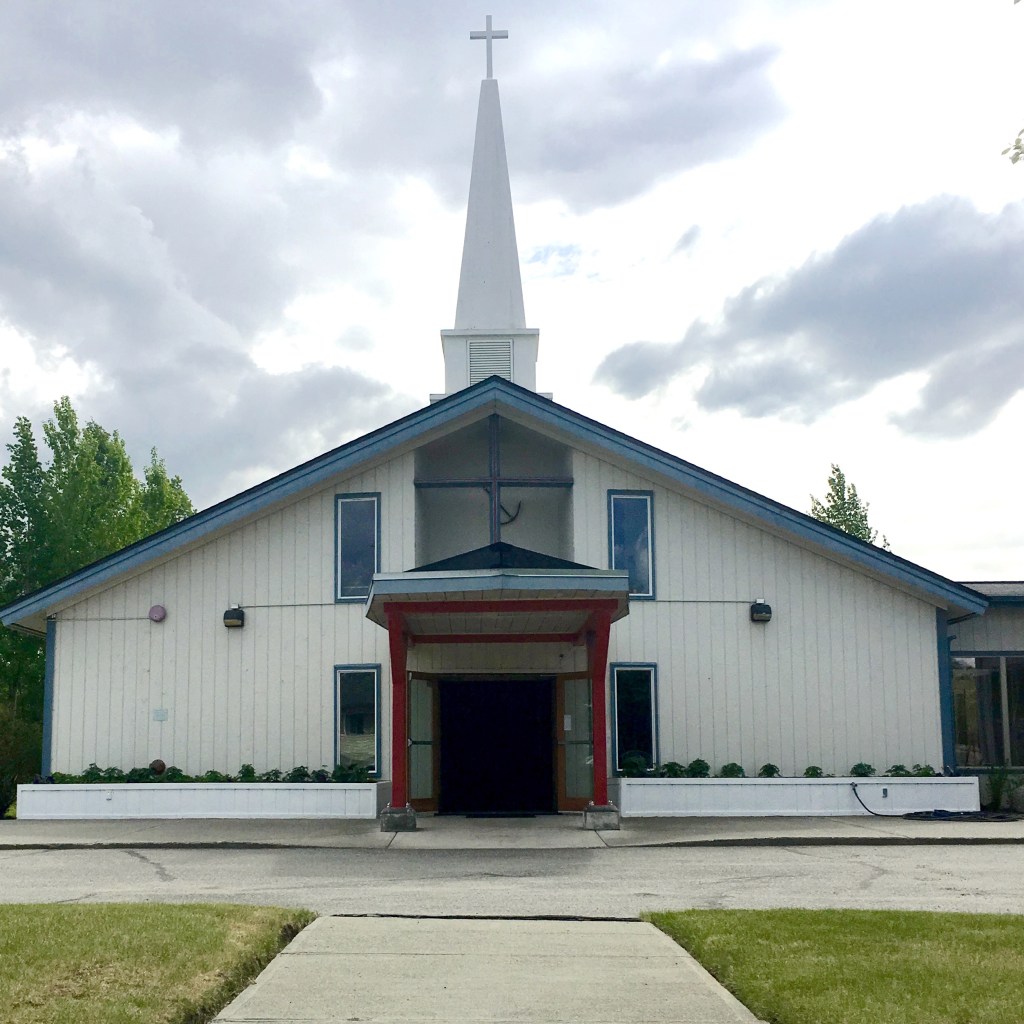
“Welcome. Love. Serve.” — Anchor Park UMC

How the community makes its way into Anchor Park UMC–through the front doors.

Anchor Park UMC was birthed in 1954 in response to the growing population of Anchorage in the 1950s; established to be a neighborhood church, placed in a growing subdivision that is now a long-established neighborhood. The church grew over the years, it grew through disciples deeply loving as God has loved them, responding to the needs of this community as they arise.

In 1978, the Tongan Fellowship was established. The Tongan Fellowship has greatly influenced life at Anchor Park UMC for the past 40 years, sharing their culture and wisdom. Theyโ€™ve shared their gifts of music and leadership at Anchor Park UMC for years.

Anchor Park UMC has served as a church home for many people. When you come into the sanctuary on Sunday morning and look around you will see a diverse body of people, many ages, races, and cultures. We are a community of people that embody a welcoming, loving, and serving spirit โ€“ the core pillars of our mission statement here at Anchor Park UMC.

Anchor Park UMC is a lot like other churches, we worship on Sunday morning, we serve at Beanโ€™s Cafรฉ and Clare House, two non-profits responding to homelessness in Anchorage, once a month. We collect food for FISH, Backpack Buddies, and the Willow Community Food Pantry. We host a menโ€™s AA group and REAL About Addictionโ€™s support group and monthly meetings. And we have the stateโ€™s only special needs boy scout troop.

The thing that is different about Anchor Park UMC is the family culture. Anchor Park UMC serves as a family for many people. Military folks, transplants for other jobs, and those that stayed long after their initial reason for moving here. The people at Anchor Park UMC care for each other, they welcome in those who walk through the doors and invite them to be part of this church family and to share a meal with each other.

Over the past 65 years, the ministry and congregation of Anchor Park UMC has ebbed and flowed, responding to the needs of the neighborhood it is nested in and the passions of its members. This past year we became the main supplier for our neighborhood elementary schoolโ€™s Backpack Buddiesโ€™ program, providing 200 meals each weekend, ensuring that our kids do not go hungry and are able to return to school ready and able to learn.

A whirlwind tour through our Spring Sale.

During the past month we have responded to our hungry children by feeding them; the opioid crisis through packing NarCan Kits for the city and supporting REAL About Addiction โ€“ a group that exists to help those struggling with addiction enter into recovery and provides ongoing support for their journey. We hosted our *almost* annual spring sale, where folks are able to donate the things they no longer need or use knowing the profits from the sale go towards mission work in the world. Our neighborhood looks forward to this sale each year, knowing theyโ€™ll be able to find quality things they need at a price they can actually afford; something that can be difficult in Alaska.
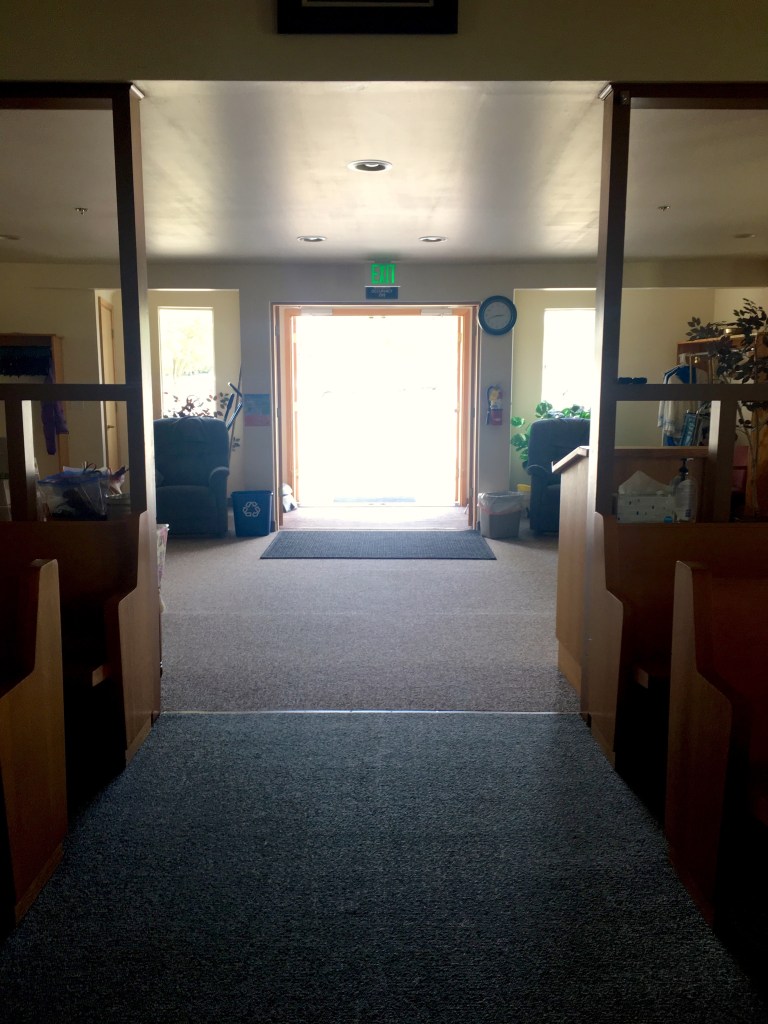
Anchor Park UMC, looking out onto their mission field.

Here at Anchor Park UMC we truly seek to be a community of people that welcome all, loves God and neighbor, and serves those in need. The needs are ever changing in Anchorage, from food deserts to an opioid epidemic to rising homelessness and violence. It is through coming together each Sunday to worship that we are emboldened to go out into the world sharing the love of Christ through tangible gifts of food and clothes, as well as emotional support, hospitality, and serving with partner ministries.

When Anchor Park UMC is notified of a need in our community or world, we arise to the occasion, no matter if it is a family in need of all new furniture due to a fire, someone needing a place to warm up in the winter and have a cup of soup or coffee, or a safe place to come and rest in the presence of God. Anchor Park UMC is here to welcome, love, and serve all of Godโ€™s children.

“Living into Our History” — St. Peter the Fisherman’s UMC in Ninilchik

St Peter the Fisherman UMC is an extension of the rich heritage and history that began this community almost 200 years ago. Russian fur traders colonized this fishing village in 1820, as it had become a favorite place for trappers to inhabit especially for retiring. Steeped in the history of early Russian America, it offers an old-world setting with its Russian Orthodox Church on the hill, quaint fishermen’s cottages and log homes. It was built around a tight community that recognized the need to be there for each other, as well as a quick understanding that new faces along with the versatile assets they brought with them were always welcome and needed for survival.

The front doors of St. Peter the Fisherman UMC.

The United Methodist Church in Ninilchik maintains that mentality. Their openness and acceptance of the need for all gifts and graces has made them a favorite return spot for vacationers as well as numerous congregants that snowbird out each winter to faithfully return to family and community in the spring.

Upholding the same mindset the community was founded on, St Peter the Fisherman has considered the needs for survival, both physically and spiritually, in the community and found ways to best serve and meet the needs through gifts that they have to offer.

One of the ministries that they have been offering for some time now is the housing of two AA meetings and one NA meeting each week. Addictions are robbing life and spirit from too many of the community people and offering support, prayers, and love is a gift dear for many. These programs are reported to be some of the strongest attended on the Kenai Peninsula.  

This sanctuary serves as sanctuary for many in the community, including those who don’t “belong” to any church.

For the past couple of years, a new need was recognized in the community as it was reported that as many as 50% of the elementary children were reporting lack of food in the homes. Teachers were reporting children too focused on hunger to be attentive to learning. St Peter the Fisherman began to house a project, supported by the community, of sending home food supplies each Friday. That way, when community children could not receive at least one school lunch per day at the school, they would have other options for food on the weekend. They are now providing weekly food through the summer months as well.

St Peter the Fisherman is often called on as the communityโ€™s church family for those who do not belong to a church. They are known to oversee weddings, funerals and simply to be there for visits to community shut ins and sick.

Just as the needs and concerns of the Russian Village, Ninilchik, grew and changed from 200 years ago, our community family continues to evolve today. St Peter the Fisherman also continues to grow and search for places where their gifts can fit the requirements of those in need. In this fluctuating fishing village of up to almost 900 people, the continued search for physical and relational needs to care for with the love of Christ is an honor.  

Telling “the story” through stained glass.


“Come to the Table and Eat” –Soldotna UMC

Written by Rev. Karen Martin-Tichenor of Soldotna UMC.

Subsistence: โ€œthe action or fact of maintaining or supporting oneself at a minimum level.โ€ Webster Dictionary. It is a word used a great deal here in Alaska and during the summer becomes a part of our culture here in Soldotna as the residents of Alaska as well as guests descend upon the Kenai River to fish and dip net for sockeye salmon, originally to subsist through the next year on fish caught.

The welcoming doors of Soldotna UMC.

Food insecurity is a reality in many places around the globe and here on the Kenai it is no different. Food of all kinds are a basic need to our life and well being, whether physical or spiritual. Here at Soldotna UMC we have done our best to address these concerns in the community. The table of Christ has no limits. Christ, God, tell us that there is more than enough for Godโ€™s children at Godโ€™s table. So letโ€™s share Christโ€™s abundance. Letโ€™s help everyone know the welcome of the life giving Spirit of Christ for our daily existence.

Kenai Alternative High School

We have youth on this peninsula who are without a stable or safe home. They migrate around the area to sleep and because they are at risk, some have found themselves attending the Kenai Alternative High School. It is at this school that they are greeted each morning with smiles by faithful volunteers and a full breakfast throughout the school year to help them be able to focus in class and learn. Their day starts with a loving invitation to come to the table and eat. Twice a week we get to be those volunteers helping feed the hungry hearts and minds of our youth.

Distance is an issue across the Kenai making it difficult for those without a vehicle or the means to keep it gassed up to get to food sources. So nearly 7 years ago we opened a food pantry for those in the area and greet each one with a smile and food to let them know the satisfaction of a meal at home. Most all of the UM churches on the Kenai Peninsula have such pantries to help with such basic need. We also operate a community garden, helping supply the Food Pantry as well as teaching community members to garden and raise some food of their own.

A Wednesday night dinner that started as an ending to an after school program has evolved to extend hospitality beyond our congregation to include our homeless and low income families in the area that they can know food, fellowship, warmth and safety at least that one time a week, embracing them in the Spirit of Christ.

Christโ€™s table does not have limits. It is an organic being as is his church. In the face of our current economy we must rely ever more deeply on the grace of God, the movement of the Holy Spirit, and the importance of an open door to keep the table full. The invitation stands, โ€˜Come and eat. This is my body given for you.โ€™

Two Doors for Two Cultures — Korean UMC

์•ต์ปค๋ฆฌ์ง€ ํ•œ์ธ์—ฐํ•ฉ๊ฐ๋ฆฌ๊ตํšŒ

Anchorage Korean United Methodist Church
Written by Rev. Won Jea Keum and translated by Google Translator and Rev. Won Jea Keum

์•ต์ปค๋ฆฌ์ง€์—๋Š” 5,000์—ฌ๋ช… ์ •๋„์˜ ํ•œ์ธ์ด ์‚ด๊ณ  ์žˆ์Šต๋‹ˆ๋‹ค. ๊ทธ๋ฆฌ๊ณ  20์—ฌ๊ฐœ์˜ ํ•œ์ธ๊ตํšŒ๊ฐ€ ์กด์žฌํ•ฉ๋‹ˆ๋‹ค. ํ•œ์ธ๊ตํšŒ์˜ ํŠน์ง•์€ ํ•œ๊ตญ์–ด๋กœ ์˜ˆ๋ฐฐ๋ฅผ ๋“œ๋ฆฐ๋‹ค๋Š” ๊ฒƒ์ž…๋‹ˆ๋‹ค. ์˜ค๋žœ ์‹œ๊ฐ„ ๋ฏธ๊ตญ์—์„œ ์ด๋ฏผ์ƒํ™œ์„ ํ–ˆ์ง€๋งŒ ๋Œ€๋ถ€๋ถ„ ํ•œ์ธ ์ด๋ฏผ์ž๋“ค์€ ํ•œ๊ตญ์˜ ๋ฌธํ™”์™€ ์ •์‹ ์„ ๊ทธ๋Œ€๋กœ ๊ฐ€์ง€๊ณ  ์žˆ์Šต๋‹ˆ๋‹ค. ํŠน๋ณ„ํžˆ ํ•œ๊ตญ์—์„œ ๊ธฐ๋…๊ต์ธ์ด์—ˆ๋˜ ๋ถ„๋“ค์€ ํ•œ๊ตญ์˜ ๊ธฐ๋…๊ต๊ฐ€ ๊ฐ€์ง€๊ณ  ์žˆ๋Š” ๋ณด์ˆ˜์ ์ธ ์‹ ์•™์„ ๊ทธ๋Œ€๋กœ ๊ฐ€์ง€๊ณ  ์žˆ์Šต๋‹ˆ๋‹ค. ๋•Œ๋ฌธ์— ์ง„๋ณด์ ์ธ ์‹ ์•™๊ด€์— ๋Œ€ํ•ด ๊ฑฐ๋ถ€ํ•˜๋Š” ์ž…์žฅ์ด ๋งค์šฐ ๊ฐ•ํ•˜๊ฒŒ ๋‚˜ํƒ€๋‚˜๊ณ  ์žˆ์Šต๋‹ˆ๋‹ค. ๋ณดํ†ต ํ•œ๊ตญ์˜ ๊ฐ๋ฆฌ๊ต ๋ชฉํšŒ์ž๋“ค์€ ์‹ ํ•™๊ต์—์„œ ๋งค์šฐ ์ง„๋ณด์ ์ธ ์‹ ํ•™์„ ๋ฐฐ์šฐ๊ณ  ๋‚˜์˜ค์ง€๋งŒ, ๋ชฉํšŒ ํ˜„์žฅ์—์„œ๋Š” ๋งค์šฐ ๋ณด์ˆ˜์ ์ธ ์ƒํ™ฉ์—์„œ ๋ชฉํšŒ๋ฅผ ํ•ด์•ผ ํ•ฉ๋‹ˆ๋‹ค. ๊ทธ๋ž˜์„œ ์ด ๋‘ ์‹ ํ•™์˜ ๊ฐ„๊ทน์—์„œ ๊ณ ๋ฏผ์„ ํ•˜๋ฉฐ ๋ชฉํšŒ๋ฅผ ํ•ฉ๋‹ˆ๋‹ค. ์ด๊ฒƒ์€ ํ•œ์ธ ์ด๋ฏผ ๋ชฉํšŒ๋„ ๋งˆ์ฐฌ๊ฐ€์ง€์ž…๋‹ˆ๋‹ค.

About 5,000 Koreans live in Anchorage. There are more than 20 Korean churches. The characteristic of Korean American churches is that they worship in Korean. They have immigrated to the United States for a long time, but most of Korean immigrants have the culture and spirit of Korea. Especially those who were Christian in Korea have the conservative faith of Korean Christianity. Because of this, the position of denying progressive beliefs is very strong. Korean Methodist pastors usually learn a very progressive theology from the seminary, but in the pastoral ministry they should be stand on a very conservative ministry. So I am working my ministry with the gap between these two theological views. I think about a historical context for the Korean immigration church members.

๋‚˜๋Š” ๋“ค์–ด์˜ค๋“ ์ง€, ๋‚˜๊ฐ€๋“ ์ง€ ๋‘ ๊ฐœ์˜ ๋ฌธ์„ ํ†ต๊ณผํ•ด์•ผ ํ•˜๋Š” ์‚ฌ์ง„์„ ์„ ํƒํ–ˆ๋‹ค. ํ•˜๋‚˜๋Š” ํ•œ๊ตญ ๋ฌธํ™”๋ฅผ ์˜๋ฏธํ•˜๋Š” ๋ฌธ์ด๊ณ , ๋‹ค๋ฅธ ํ•˜๋‚˜๋Š” ๋ฏธ๊ตญ ๋ฌธํ™”๋ฅผ ์˜๋ฏธํ•˜๋Š” ๋ฌธ์ด๋‹ค.
I chose a picture that had to pass through two doors, either in or out. One is a door meaning Korean culture, and the other is a door meaning American culture.

ํ•œ๊ตญ์˜ ๊ทผ๋Œ€์‚ฌ๋ฅผ ๋ณด๋ฉด ๊ฐ ์ •์น˜์  ์ž…์žฅ์˜ ๊ฒฌํ•ด์— ๋Œ€ํ•ด ์„œ๋กœ ์ดํ•ดํ•˜๋ ค๋Š” ์ž…์žฅ๋ณด๋‹ค ์ด๋Ÿฌํ•œ ์ž…์žฅ ์ฐจ์ด๊ฐ€ ์•„๊ตฐ๊ณผ ์ ๊ตฐ์œผ๋กœ ๋‚˜๋‰˜์–ด ์„œ๋กœ ์‹ธ์šฐ๊ณ  ์ฃฝ์˜€๋˜ ์—ญ์‚ฌ๋ฅผ ๊ทผ๊ฐ„์œผ๋กœ ํ•˜๊ณ  ์žˆ์Œ์„ ์•Œ ์ˆ˜ ์žˆ์Šต๋‹ˆ๋‹ค. ๊ฐ€์žฅ ์ตœ๊ทผ์˜ ์˜ˆ๊ฐ€ ๊ณต์‚ฐ์ฃผ์˜์™€ ๋ฏผ์ฃผ์ฃผ์˜์™€์˜ ์‹ธ์›€์ด์—ˆ๋˜ 6.25 ํ•œ๊ตญ์ „์Ÿ์ž…๋‹ˆ๋‹ค. ํ•œ๊ตญ์ธ๋“ค์€ ๊ณต์‚ฐ์ฃผ์˜๊ฐ€ ๋ฌด์—‡์ธ์ง€, ๋ฏผ์ฃผ์ฃผ์˜๊ฐ€ ๋ฌด์—‡์ธ์ง€ ๊ทธ ์ฒ ํ•™์  ๋ฐฐ๊ฒฝ์„ ์•Œ์ง€๋„ ๋ชปํ•˜๋ฉด์„œ ๋ถ„์—ด์ด ๋˜์—ˆ๊ณ , ์„œ๋กœ ์ ์ด ๋˜์–ด ์‹ธ์› ๊ณ , ํ”ผ๋ฅผ ํ˜๋ ธ์Šต๋‹ˆ๋‹ค. ๊ทธ๋ฆฌ๊ณ  ๋ถ„๋‹จ์ด ๋˜์—ˆ์Šต๋‹ˆ๋‹ค.

In the modern history of Korea, They did fought each other in spite of unknowing about both of ideologies. Just they did fought and next, they divided both. for example, Korea War(June 25, 1950), which was a struggle against communism and democracy. Koreans became divided, fought and shed blood without knowing the philosophical background of what communism was and what democracy was. And it became divided until now.

์ด๋Ÿฌํ•œ ์ „์Ÿ์„ ํ†ตํ•ด ์•„ํ””์„ ๊ฒช์—ˆ๋˜ ์ด๋“ค์€ ๊ณต์‚ฐ์ฃผ์˜์— ๋Œ€ํ•œ ์ ๊ฐœ์‹ฌ์ด ์žˆ์Šต๋‹ˆ๋‹ค. ๋ฟ๋งŒ ์•„๋‹ˆ๋ผ ์ตœ๊ทผ ์ Š์€์ด๋“ค์ด ๋ง‘์Šค ์ด๋ก ์„ ๋ฐฐ์šฐ๊ณ  ์ด์•ผ๊ธฐ ํ•  ๋•Œ ์ด์— ๋Œ€ํ•œ ๋ฐ˜๊ฐ์„ ๊ฐ€์ง€๋Š” ์ „์Ÿ์„ ๊ฒฝํ—˜ํ•œ ์„ธ๋Œ€๋“ค์ด ์—ฌ์ „ํžˆ ์กด์žฌํ•˜๊ณ  ์žˆ์Šต๋‹ˆ๋‹ค. ์ด๋Ÿฌํ•œ ์—ญ์‚ฌ์  ์ƒ์ฒ˜์™€ ์•„ํ””์„ ๊ฐ€์ง„ ์„ธ๋Œ€๋“ค์ด ํ•œ์ธ ์ด๋ฏผ๊ตํšŒ์˜ ์ฃผ๋ฅ˜๋ฅผ ์ด๋ฃจ๊ณ  ์žˆ์Šต๋‹ˆ๋‹ค.

Those who suffered through these wars are hostile to communism. so they have a bad feel when they talk with young people on side of Marx ‘s theory. These historical wounds and suffering generations are the mainstream of Korean immigrant churches.

์ด๋“ค์—๊ฒŒ ์˜ˆ์ˆ˜ ๊ทธ๋ฆฌ์Šค๋„์˜ ๋ณต์Œ์ด ์ด๋Ÿฌํ•œ ์ด๋…๊ณผ ๊ฐˆ๋“ฑ์„ ๋›ฐ์–ด๋„˜์–ด ์น˜์œ ์™€ ํšŒ๋ณต๊ณผ ์ดˆ์›”์˜ ์„ธ๊ณ„๋ฅผ ์—ด์–ด ์คŒ์„ ๊นจ๋‹ซ๊ณ  ์ฒดํ—˜ํ•˜๊ฒŒ ํ•˜๋Š” ์ผ์ด ์ค‘์š”ํ•ฉ๋‹ˆ๋‹ค.

It is important for them to realize that the gospel of Jesus Christ opens the world view for Jesus’ healing, Jesus’ recovery and Jesus’ transcendence beyond these ideologies and conflicts.

ํ•œ๊ตญ์€ ์ „ํ†ต์ ์œผ๋กœ ์„œ๋‹น์—์„œ ์ฒœ์ž๋ฌธ๊ณผ ๋งน์ž, ๊ณต์ž์˜ ๊ฒฝ์„ ์ฝ๊ณ , ์•”์†กํ•˜๊ณ , ๊ทธ ์˜๋ฏธ๋ฅผ ๋ฐฐ์› ์Šต๋‹ˆ๋‹ค. ๊ฒฝ์ „์„ ๋ฐ˜๋ณตํ•˜์—ฌ ์ฝ๊ณ , ์ฑ…์ด ํ—ค์–ด์งˆ ์ •๋„๋กœ ์ฝ์œผ๋ฉด์„œ ๊ณผ๊ฑฐ๋ฅผ ์น˜๋ฃจ๊ณ  ๊ด€์ง์— ์˜ฌ๋ž์Šต๋‹ˆ๋‹ค. ๊ทธ ๋งŒํผ ๊ฒฝ์ „์„ ์†Œ์ค‘ํ•˜๊ฒŒ ์ƒ๊ฐํ•˜๋Š” ๋ฏผ์กฑ์ด๋ผ๋Š” ๋œป์ž…๋‹ˆ๋‹ค. ๋•Œ๋ฌธ์— ์„ฑ๊ฒฝ๋ณธ๋ฌธ์„ ๊ฐ€์žฅ ์ค‘์‹ฌ์— ๋‘๊ณ  ์„ค๊ต๋ฅผ ํ•ฉ๋‹ˆ๋‹ค. ์กด ์›จ์Šฌ๋ฆฌ ๋ชฉ์‚ฌ๊ฐ€ ํ•œ ์ฑ…์˜ ์‚ฌ๋žŒ์ด ๋˜๋ผ๊ณ  ํ–ˆ์Šต๋‹ˆ๋‹ค. ๊ทธ ๋ง๋Œ€๋กœ ๋ชฉํšŒ์ž๋ถ€ํ„ฐ ์„ฑ๊ฒฝ์„ ์†Œ์ค‘ํ•˜๊ฒŒ ์—ฌ๊ธฐ๊ณ , ๊ทธ ์„ฑ๊ฒฝ์„ ํšŒ์ค‘๋“ค์—๊ฒŒ ํ•ด์„ํ•  ๋•Œ ๊ทธ ์„ฑ๊ฒฝ ์•ˆ ๊ทธ๋ฆฌ๊ณ  ๊ทธ ๋„ˆ๋จธ์— ์žˆ๋Š” ์ฃผ๋‹˜๊ณผ์˜ ์—ฐ๊ฒฐ๊ณ ๋ฆฌ๊ฐ€ ์ƒ๊น๋‹ˆ๋‹ค.

Korea has traditionally deeply read, recited, and learned the meaning of the Thousand Character Classic(ๅƒๅญ—ๆ–‡), classic text of Mencius and Confucius in the Seodang. Seodang is similar as a school. Our ancestors read until the texts was worn out and they became official. It means korean people who value the texts before long time ago. I preach the Bible text at the center with this traditional background. John Wesley said to be a person in one book(homo unius libri). As he say, when Pastor has a respect for the Bible and give a hermeneutic view to the congregation, they would be have a connection from them to God beyond the Bible.

ํ•œ์ธ ํšŒ์ค‘๋“ค์€ ์ด๋Ÿฌํ•œ ์ „ํ†ต ์†์— ์˜์ ์œผ๋กœ ์„ฑ์žฅํ•˜๊ณ , ์ž์‹ ์˜ ๋ชจ๋“  ์ด์Šˆ๋ฅผ ์ดํ•ดํ•˜๊ณ , ํ•ด์„ํ•ฉ๋‹ˆ๋‹ค. ์—ฌ๊ธฐ์„œ ๋ชฉํšŒ์ž์˜ ์—ญํ• ์ด๋ž€ ์„ฑ๊ฒฝ๊ณผ ํšŒ์ค‘๋“ค์˜ ๊ฐ€๊ต์—ญํ• ์„ ํ•˜๋Š” ๊ฒƒ์ด๋ฉฐ, ์„ฑ๊ฒฝ์„ ํ†ตํ•ด ํ•ด์„๋œ ๋‚˜์˜ ์ƒํ™ฉ๊ณผ ๊ตํšŒ์™€ ๋‚ด๊ฐ€ ์‚ด๊ณ  ์žˆ๋Š” ์ง€์—ญ์„ ์œ„ํ•ด ๊ธฐ๋„ํ•˜๋ฉฐ, ์„ฌ๊ธฐ๋Š” ๊ฒƒ์ž…๋‹ˆ๋‹ค.

The Korean congregation grows spiritually in these traditions, understands and a hermeneutic view all of their issues. The role of the pastor is to serve as a bridge between the Bible and the congregation, to pray and serve for our context that is interpreted through the Bible in the church and the area in which I live.

์šฐ๋ฆฌ์˜ ๋ฏธ์…˜์€ ์˜ˆ์ˆ˜ ๊ทธ๋ฆฌ์Šค๋„์˜ ๋ณต์Œ๊ณผ ์ด๋กœ๋ถ€ํ„ฐ ๋‚˜์˜ค๋Š” ์„ฑ์„œ์  ์˜์„ฑ์„ ํ†ตํ•ด ๋‚ด๊ฐ€ ๋ณ€ํ™”๋˜๊ณ , ๊ตํšŒ๊ฐ€ ๋Š˜ ์ƒ๋™๊ฐ์ด ๋„˜์น˜๋ฉฐ, ๊ต๋‹จ๊ณผ ์—ฐํ•ฉํ•˜์—ฌ ํ•˜๋‚˜๋‹˜์˜ ์€ํ˜œ๊ฐ€ ๊ฐ•๋ฌผ์ฒ˜๋Ÿผ ์„ธ๊ณ„๋กœ ํ˜๋Ÿฌ๊ฐ€๋Š” ๊ฒƒ์ž…๋‹ˆ๋‹ค.

Our mission is to change of me and congregation through the gospel of Jesus Christ and the biblical spirituality. And We want that God’s grace may flow into the world as like a river. I want to be with UMC at this point.

์˜ค๋Š˜๋‚  ์„ธ๊ณ„ UMC์™€ ๋ฏธ๊ตญ์˜ UMC์•ˆ์— ์ด์Šˆ๋“ค์— ๋Œ€ํ•ด ์•Œ๊ณ  ์žˆ์Šต๋‹ˆ๋‹ค. ์šฐ๋ฆฌ๋Š” ๊ณ„์† ์ด ๋ชจ๋“  ๋ฌธ์ œ๋“ค์„ ๋„˜์–ด ์„ค ์ˆ˜ ์žˆ๊ฒŒ ํ•ด์ฃผ์‹œ๋Š” ์˜ˆ์ˆ˜ ๊ทธ๋ฆฌ์Šค๋„์˜ ์€ํ˜œ๋ฅผ ํ†ตํ•ด ์„ฑ๋ น์˜ ์ธ๋„ํ•จ์„ ์ž˜ ๋ฐ›์„ ์ˆ˜ ์žˆ๊ธฐ๋ฅผ ๊ธฐ๋„ํ•  ๊ฒƒ์ž…๋‹ˆ๋‹ค.

I understand of the issues in UMC through Korean UMC News. We will continue to pray for overcoming of all issues through the grace of Jesus Christ. And We will be find the way through the guidance of the Holy Spirit.

“Helping Hands in a Tiny Church” — Moose Pass UMC

By Pastor Jim Doepken of Moose Pass UMC.

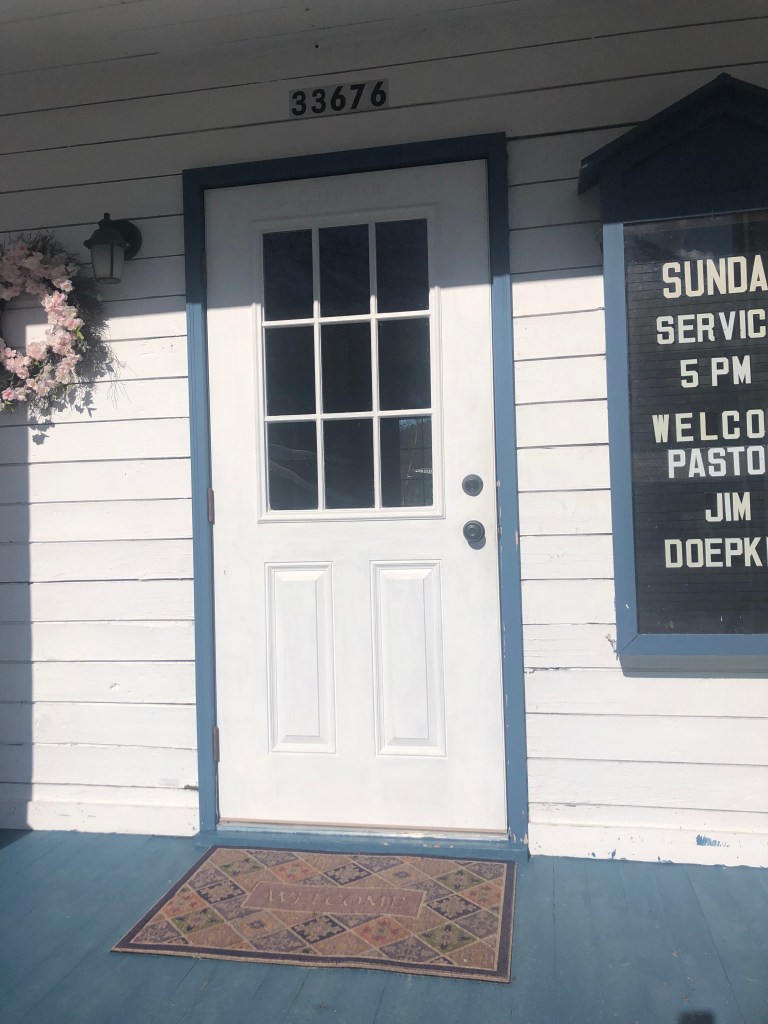
Front Door of Moose Pass UMC

There arenโ€™t many more โ€œAlaskanโ€ sounding town names than โ€œMoose Pass, Alaska.โ€ The story is that this picture-perfect town 30 miles north of Seward got its name when a moose got in the way of a mail carrierโ€™s dog team way back in the early 1900s. For years this tiny town along Trail Lake was a whistle-stop for the Alaska Railroad and every day during the summer you can still see and hear the trains as they pass on through at least twice a day.

While the trains no longer stop here, a little less than 200 people still call this place home. You can see their cabins all along a 20 mile stretch of the Seward Highway. In the summer, US Forest Service Employees work in the surrounding Chugach National Forest and guide services take outdoor enthusiasts on the Kenai River. There they search of the famous Kenai King Salmon or to go โ€œcombat fishingโ€ for Red Salmon, elbow to elbow with other anglers.

But, in the winter, itโ€™s a sleepy town where many of the locals play pickup games of hockey on Tern Lake or take their snowmachines (what Alaskans call snowmobiles) out on Trail Lake or into the mountains. The few businesses open in the winter are B&Bs catering to winter sports. Being such a small town, the local school often struggles to keep above the minimum number of students to remain open.

Upper Trail Lake from the back yard of Moose Pass UMC.

By all accounts, Moose Pass United Methodist Church is a tiny church. It may be a church in an amazingly beautiful setting, right on the shore of Upper Trail Lake, but it’s still tiny. The building itself is tiny and can hold about 40 when Easter or Christmas rolls around. But most Sundays there are less than ten people in worship. In fact, many Sundays there are less than five.

Being a tiny church in a tiny town does come with its problems. It is true that committees look pretty similar year after year. When there is something big to be done โ€” a new water pump, decorating for Advent, helping a family in the community โ€” the same people are often the ones who immediately jump in to help. And, on some of those thinner attendance days, the singing can be a little thin as well.

However, there are some plusses with a tiny church. There is a level of intimacy and comfort with each other that just canโ€™t be duplicated in a larger congregation. Oftentimes worship is more like a small-group meeting and the sermon more like a dialogue than you can find in bigger environments. While some visitors might like the anonymity of slipping into the back of a crowded sanctuary, thereโ€™s no place to hide in our space, and everyone is welcomed as if theyโ€™ve been around forever. And when these congregants congregate, the depth of their relationship with each other and with the place they live is special. They know their neighbors and what they are going through. They rally around local concerns and projects. And they are willing to fight for the well-being of those who live nearby or who are just with us for a season.

In a tiny church people have to help out in ways they might never have anticipated before. Every hand is a helping hand when the pool of available helpers is so small and sometimes youโ€™ll find surprising gifts along the way.

Most weeks this plays out both visibly and audibly in the music at our church. A couple of years ago our pianist moved out of the community. But we have a couple who figured they could step up and play on a regular basis. This is a couple who have raised some kids, weathered some storms in their lives, and have a lot of stories to tell.

And whatโ€™s so awesome about this husband and wife team is that they play together at the piano. She plays all of the right hand keys. And he plays the notes for the left hand. So, when itโ€™s time for a hymn or for โ€œThe Doxologyโ€ they head on up to the front and sit down next to each other and playโ€ฆtogetherโ€ฆeach providing a helping hand to make the music happen in this small Alaskan church. Oftentimes one of their grandchildren comes along and โ€œhelps,โ€ adding the occasional stray note to the tune.

It is exceptionally sweet and truly is a great blessing to the people gathered around. It is a holy thing.

Then there is what often happens at the close of the songs. We use the โ€œnewโ€ 1989 United Methodist Hymnal for much of the music. There are no โ€œAmensโ€ in the hymnal anymore. But, if the hymn is in an easy enough key, the husband will look over the piano at the preacher, smile a mischievous smile, and will play out a loud โ€œAmenโ€ for the congregation to belt out. And, in that โ€œAmenโ€ there is great joy. Thereโ€™s joy from the pianists and thereโ€™s joy from the congregants who love each other deeply and share their Alaskan lives with each other.

Some big churches may be gifted with praise bands and hundred-member choirs. The tiny church in Moose Pass is gifted by two helping hands (among others) who offer their gift of music to the church.