May 4, 2026
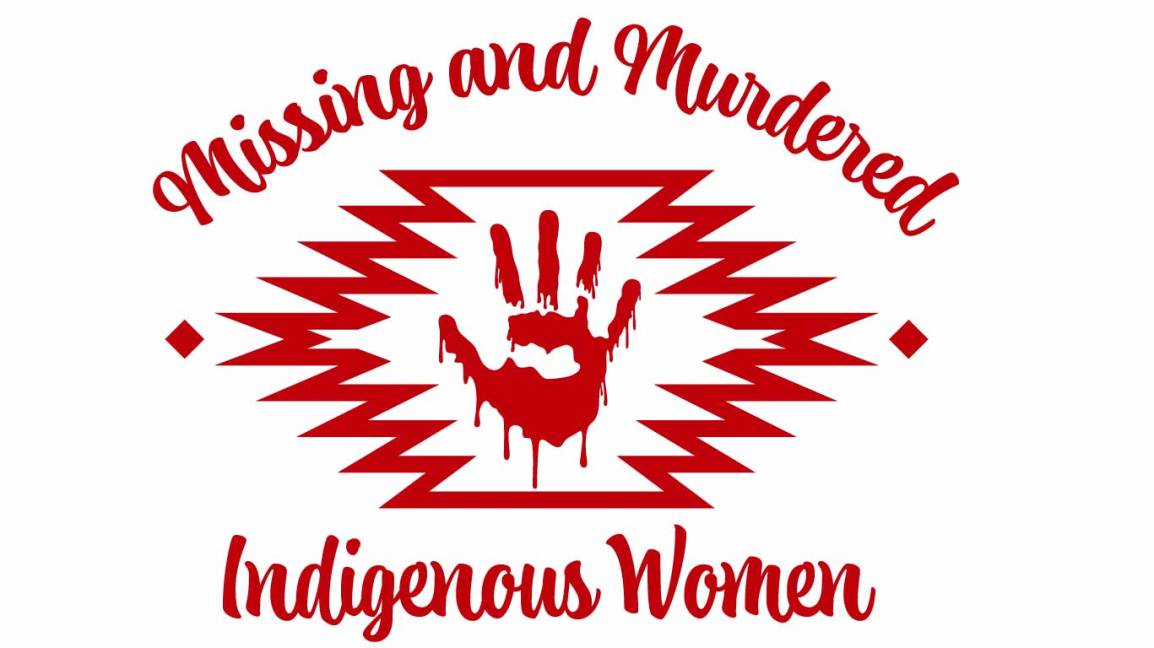
As we enter Missing and Murdered Indigenous Women’s Awareness Week, we do so with heavy hearts and a clear call on our spirits. The tragic death of nineteen-year-old Kelly Hunt in Anchorage is not an isolated killing. It is part of a devastating and ongoing crisis impacting Indigenous women, girls, and Two-Spirit people across Alaska and beyond. Her life, like so many others, was sacred. Her story, like too many others, demands more than our sorrow. It demands our response.
In the Gospel of John, Jesus speaks plainly to his disciples: “If you love me, you will keep my commandments” (John 14:15). He goes on to promise the Advocate—the Spirit of truth, who abides with us and in us. This is not a passive promise. It is an active calling. To love Christ is to aspire to live as he lived: standing with the vulnerable, naming injustice, and refusing to remain silent in the face of harm.
The crisis of Missing and Murdered Indigenous Women and Relatives (MMIWR) confronts us with hard truths. Indigenous women face violence at disproportionately high rates. Alaska Native women experience homicide rates more than ten times the national average. Families wait years, sometimes decades, for answers. Communities carry grief that is unseen or ignored. Efforts like the Data for Indigenous Justice project exist because comprehensive official data has too often been lacking. This is not only a social issue; it is a moral and spiritual crisis that calls for the Church’s witness.
As people of faith, we cannot look away. Silence is not neutrality. It allows injustice to persist. Christ calls us into something deeper: into truth-telling, into solidarity, into love that acts.
Across Alaska, ecumenical leaders from the United Methodist Church, the Evangelical Lutheran Church in America, the Presbyterian Church (USA), and the Episcopal Church have issued a joint letter naming this crisis and calling for justice, action, and steadfast solidarity. Their words remind us that our faith compels us to confront the legacies of violence, racism, and dispossession that continue to shape this moment.
Ways to Engage:
- MMIW Week of Awareness (May 4–8, 2026): Hosted by Abused Women’s Aid In Crisis (AWAIC) and the Alaska Native Women’s Resource Center, this virtual series (via Zoom) runs daily from 10:30–11:45 AM AST, offering education, storytelling, and pathways for action. https://nativenewsonline.net/health/missing-and-murdered-indigenous-peoples-awareness-day-events-near-you/
- Gathering of Remembrance (May 5) at Golden Heart Plaza in Fairbanks, Alaska. https://www.fairbanksnative.org/gathering-of-remembrance-3/
- National Day of Awareness (May 5): A critical day to wear red, honor lives lost, and stand with families. This day is recognized by state proclamation and invites visible, public witness.
This week, especially tomorrow, May 5th, we invite every congregation, pastor, and lay leader into three faithful practices:
Acts of Reflection
Create space in worship and community life to remember those who have been lost. Speak their names. Learn their stories. Listen to Indigenous voices in your community. Let your hearts be shaped by truth.
Acts of Repentance
Acknowledge the ways the Church has been complicit, through silence, inaction, or participation in harmful systems. Repentance is not about guilt alone; it is about turning toward a new way of living that reflects God’s justice and mercy.
Acts of Service and Advocacy
Show up. Participate in learning opportunities like the Week of Awareness. Wear red on May 5 as a sign of solidarity. Support organizations walking alongside families. Advocate for systemic changes, including better coordination among law enforcement agencies and accountability in investigations. Use your voice to amplify those who have too often been unheard.
Jesus tells the disciples that they are not left alone and that the Advocate abides with them. That same Spirit abides with us now, urging us toward courage, compassion, and action.
Kelly Hunt’s life mattered. Sophie Sergie’s life mattered. Hanna Harris’ life mattered. Every missing and murdered Indigenous person bears the image of God. Honoring that truth requires more than words. It requires a Church willing to embody love in public, visible, and transformative ways.
May we be such a Church.
May we not remain silent.
May we keep Christ’s commandments by loving not only in word, but in truth and action.
Rev. Kristi McGuire
Superintendent & Director of Connectional Ministries

